
Preparing for the Cheaper Home Batteries Program
incentive changes from 1 May
The Clean Energy Regulator (CER) is urging retailers and installers to be prepared ahead of changes to incentives under the Cheaper Home Batteries Program.
From 1 May, small-scale technology certificates (STCs) will be tiered based on battery size, impacting the rebate available for systems over 14 kWh.
The regulator’s reminder
The CER is reminding retailers that incentive changes under the changes could result in a price difference of thousands of dollars.
CER Executive General Manager, Carl Binning, says retailers are responsible for providing accurate quotes that reflect the upcoming changes and for fulfilling the contracts they sign.
‘Retailers should not be promising installations before 1 May unless they are certain the installations can be completed on time,’ Mr Binning said.
“They need to be upfront with customers, schedule work responsibly, and explain the small-scale technology (STC) changes clearly, which could mean a significant price difference for customers.
Rebates are determined by the installation date, not when a contract is signed, and retailers are urged not to rush installations to try and beat the changes.
Preparing for the change
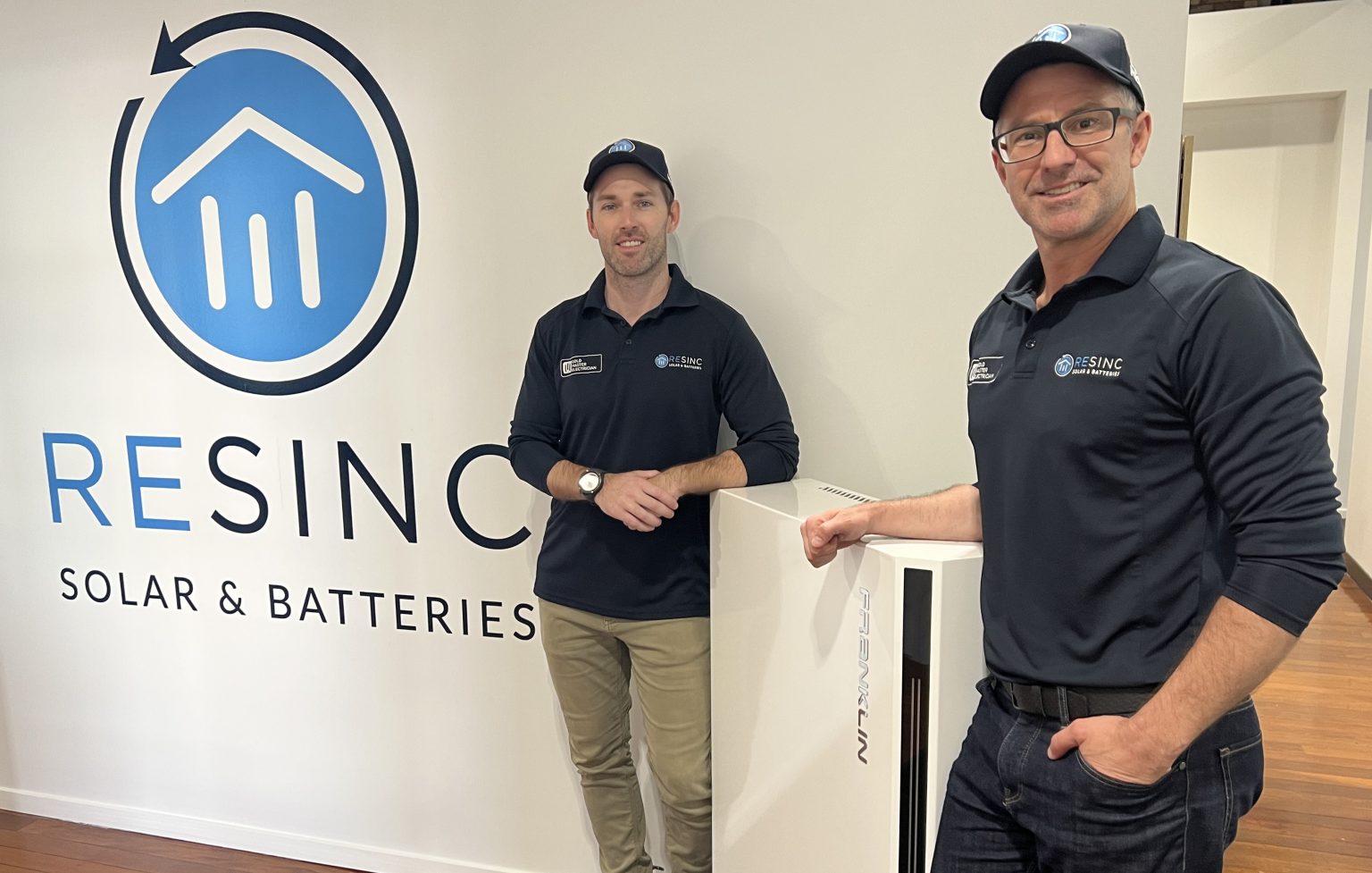
RESINC Solar and Batteries Chief Executive Officer Leigh Storr says he understands the regulator’s concerns.
“I think there’s really good reason for concern,” he says. “There’s going to be quite a few disappointed customers.”
Leigh Storr says RESINC is well prepared for the change.
“We look at it differently from a psychology perspective. I’ve been in the solar industry for 16 years now, so I’ve seen many rebates come and go. Many rebates have been scaled back on short notice and at the end of the day, if you’re selling rebates, you hit the wall. If you’re selling solar and batteries, the interest is building.”
RESINC has been contacted by a small number of consumers keen to beat the rebate step down.
“You do get some consumers that have been shopping around. We’re getting phone calls now from consumers that have sat on the fence, procrastinated, and now they get told they can’t be installed before 1 May.”
But for RESINC, those discussions are in the minority.
“99 per cent of customers that we engage with don’t understand the jargon and the value of the rebates and how it works with them. So, they’re unaffected by the 1 May reduction if they haven’t already bought a system.”
Leigh knows his customers aren’t buying on price, instead valuing an ongoing relationship that supports them into the future.
“There’s a lot of companies in this industry that sell rebates rather than selling solar and batteries. We’ve always taken the approach of selling the product – so right sizing a system for the customer’s needs.
“The majority of our installations are below the 30-kilowatt hour, battery mark, whereas some companies sell bigger batteries with cheap product, with a margin on the rebate. So, there is going to be a big adjustment for some companies, especially those that were selling 40-, 50-kilowatt hour batteries.”
He worries for installers and contractors being pushed to finalise installations by 1 May.
Managing workload and safety
“The challenge on the industry is huge. We’re seeing, I guess everyone working as hard as they can. Business has grown significantly in the last 9 months as it has across the whole industry. So, a lot of burnout across teams, and that can result in fatigue and potential workplace injury as well. You’ve got to manage for all of that while keeping your team safe and also managing expectations with your customers and the promises that you’ve made to them.”
Strong demand for the future
Leigh sees strong demand for solar and batteries continuing well beyond 1 May, especially when cost-of-living rebates on electricity bills are removed within months.
“The interest in solar and batteries is going to increase because the energy affordability problem has got worse. Anyone that sees that the interest for solar is going to drop off after 1 May is not looking at the right things.”
Follow the series
This article is the first in a 3-part series featuring RESINC CEO Leigh Storr.
RESINC is an award-winning solar and battery retailer with more than 10,000 5-star customer reviews and operates in New South Wales, Victoria, Canberra and Queensland.
Next time: Managing a distributed installation and design team – ensuring quality, accreditations and compliance
Follow SAA on social media or visit our website news page for regular news content from across the industry.